








جزییات فنی محصول
What Is a Conveyor Belt? Full Overview and Applications
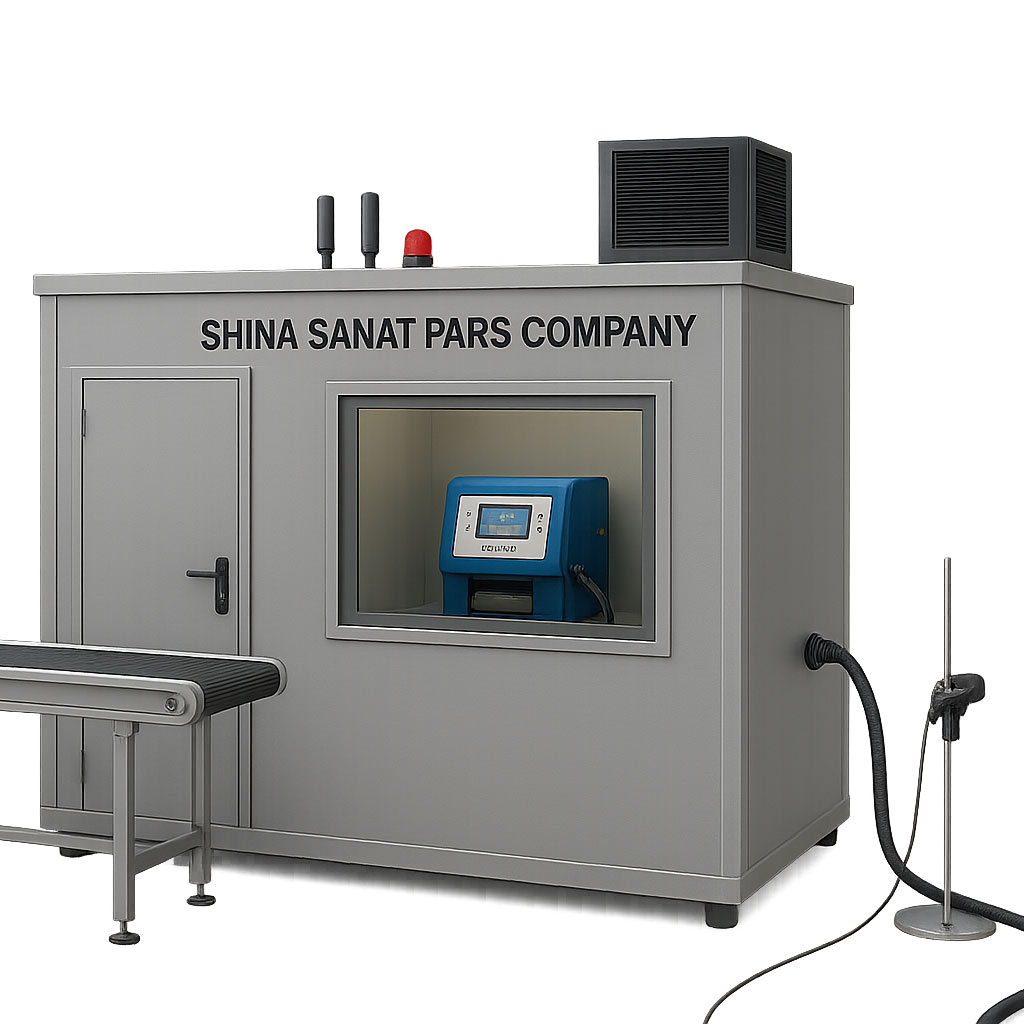
A conveyor belt is one of the most essential pieces of industrial equipment used to transport materials, goods, or components from one point to another. Conveyor systems help reduce manual labor, increase production speed, and lower operational costs, making them a vital part of modern manufacturing and logistics.
Types of Conveyor Belts
Depending on the industry and working conditions, conveyor belts come in several types:
- PVC and PU Conveyor Belts
Ideal for the food, pharmaceutical, and hygiene industries. These belts are moisture-resistant and easy to clean. - Rubber Conveyor Belts
Highly durable and resistant to abrasion, heat, and chemicals — commonly used in mining, cement, and steel industries. - Heat-Resistant Conveyor Belts
Designed for high-temperature environments such as steel, ceramics, or foundry production lines. - Metal Mesh Conveyor Belts
Made of stainless steel, providing excellent heat resistance — suitable for baking, drying, and high-temperature material handling.
Advantages of Using Conveyor Belts
- Reduced labor costs
- Increased production efficiency
- Enhanced workplace safety
- Automation-friendly system
- Reduced human error
Applications of Conveyor Belts
- Food and pharmaceutical manufacturing
- Mining and heavy industries
- Packaging and logistics lines
- Automotive production
- Construction material plants
Key Factors When Buying a Conveyor Belt
When choosing the right conveyor belt, consider the following:
- Type of material being transported
- Temperature and environmental conditions
- Belt length and width
- Transfer speed and load capacity
Conclusion
A conveyor belt system is a crucial element in modern production and material handling processes. By selecting the right type and quality, businesses can significantly improve efficiency, reliability, and system longevity.